On Life in Southern Italy / Part Two
After our pizza and wine at Stazione Termini, we caught a six-hour train south to Bari Central. We arrived close to midnight, but the streets were still full of people. My flat on Via Niccolò Piccinni was close enough that we walked hand in hand, pulling our luggage behind us.
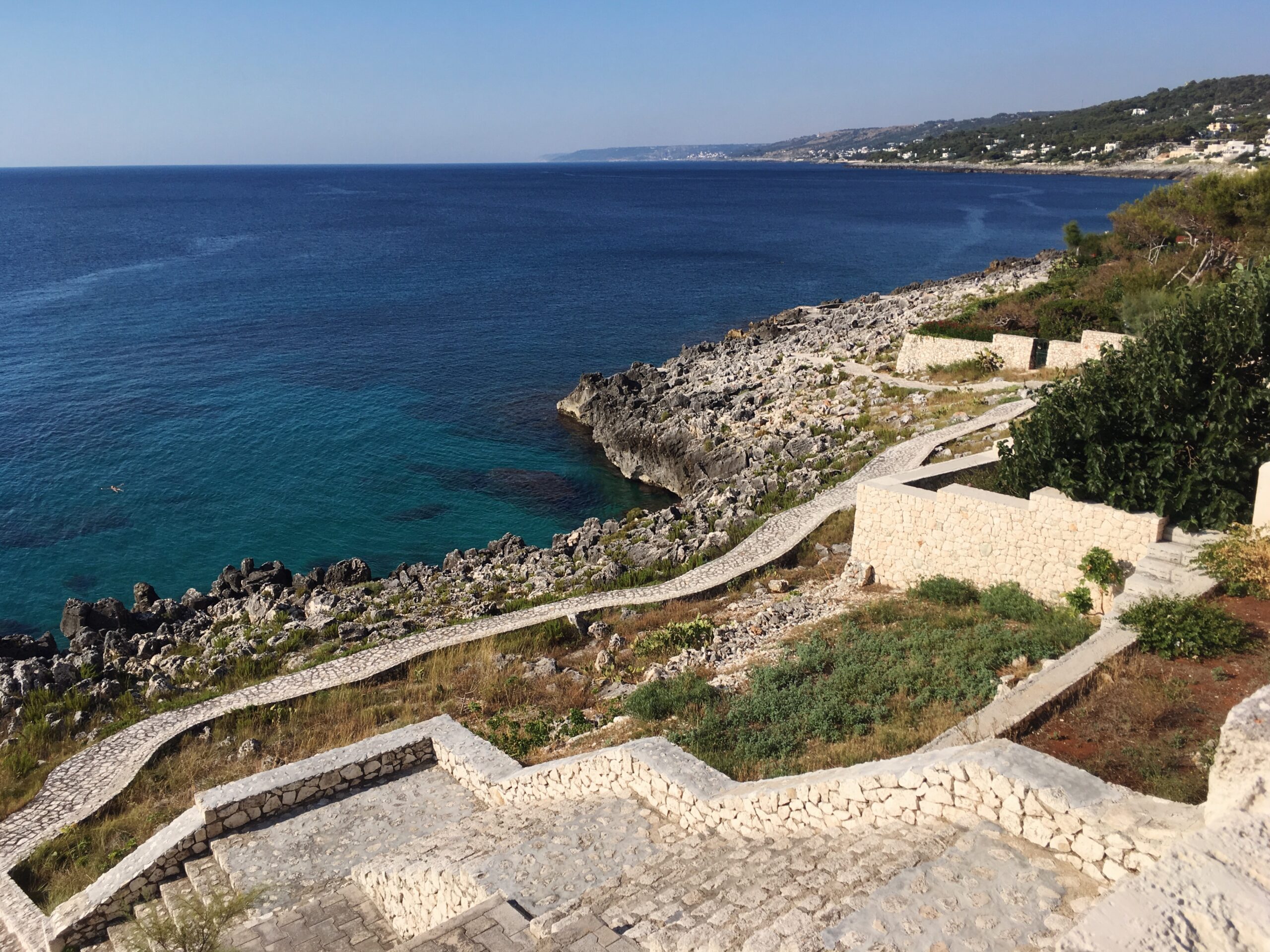
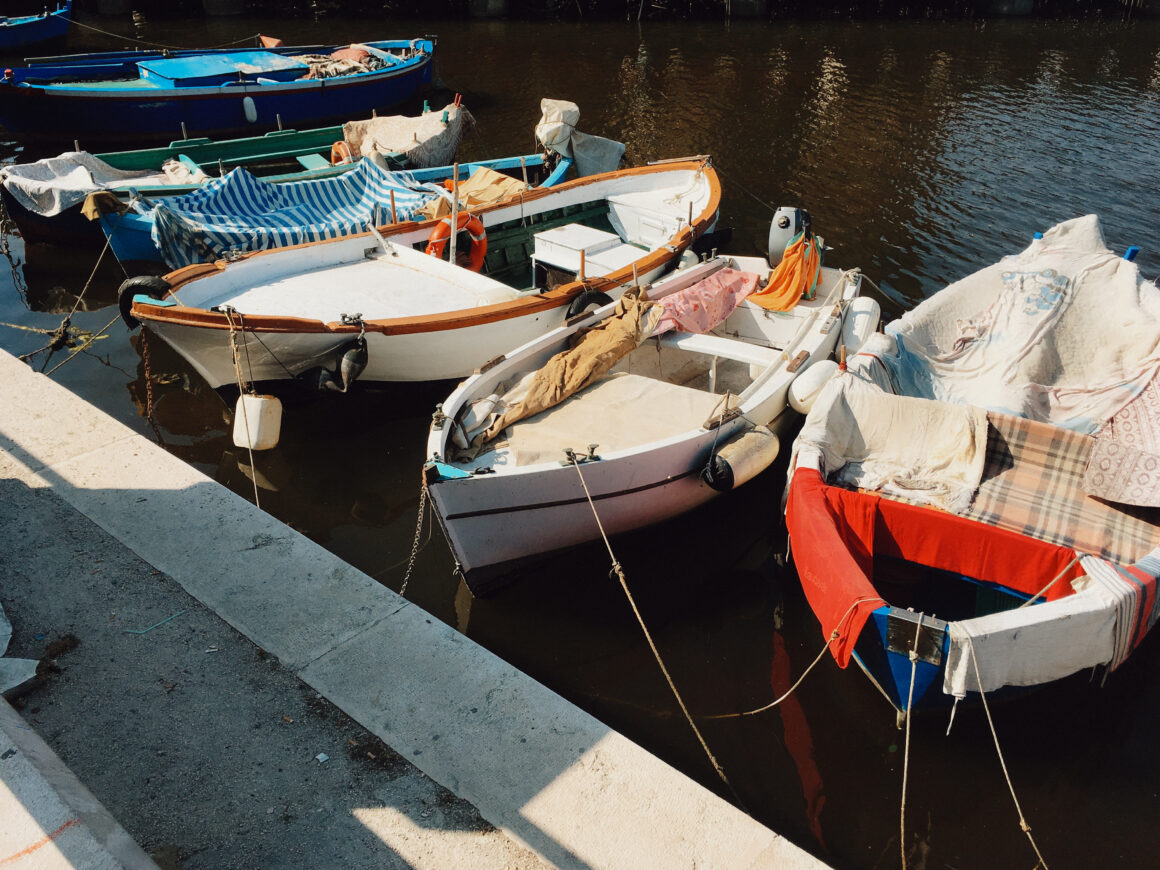
The next morning, we went for a walk—first by the sea, then through the old town, where my husband told me that the narrow, labyrinthine streets and courtyards reminded him so much of home.
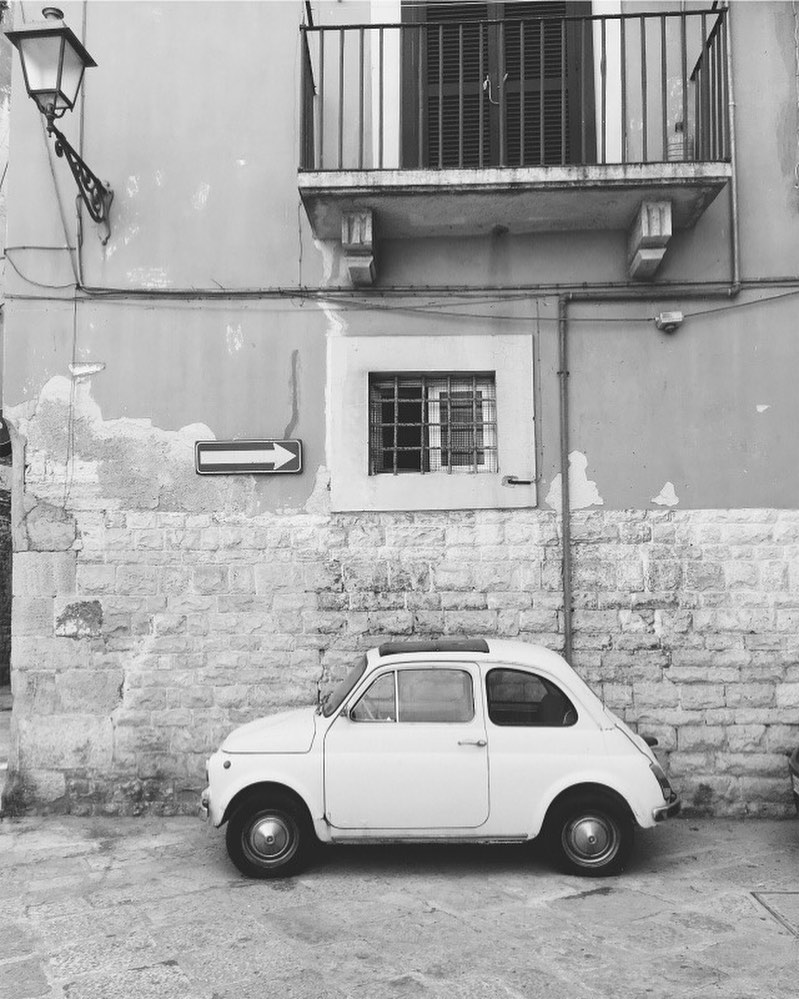
Him feeling at home was so important to me. I could only imagine how hard it must have been to leave Damascus in a war-torn state, leaving behind family and friends, some of whom he would never see again, to live in countries where he faced discrimination and hardship. How he remained so kind, generous, and loving—not only to me but to those he met—was a mystery to me.
But this is what first drew me to him in Istanbul. And now we were here, staring out onto Piazza Federico II di Svevia, eating heavenly pistachio ice cream outside Gelateria Gentile.
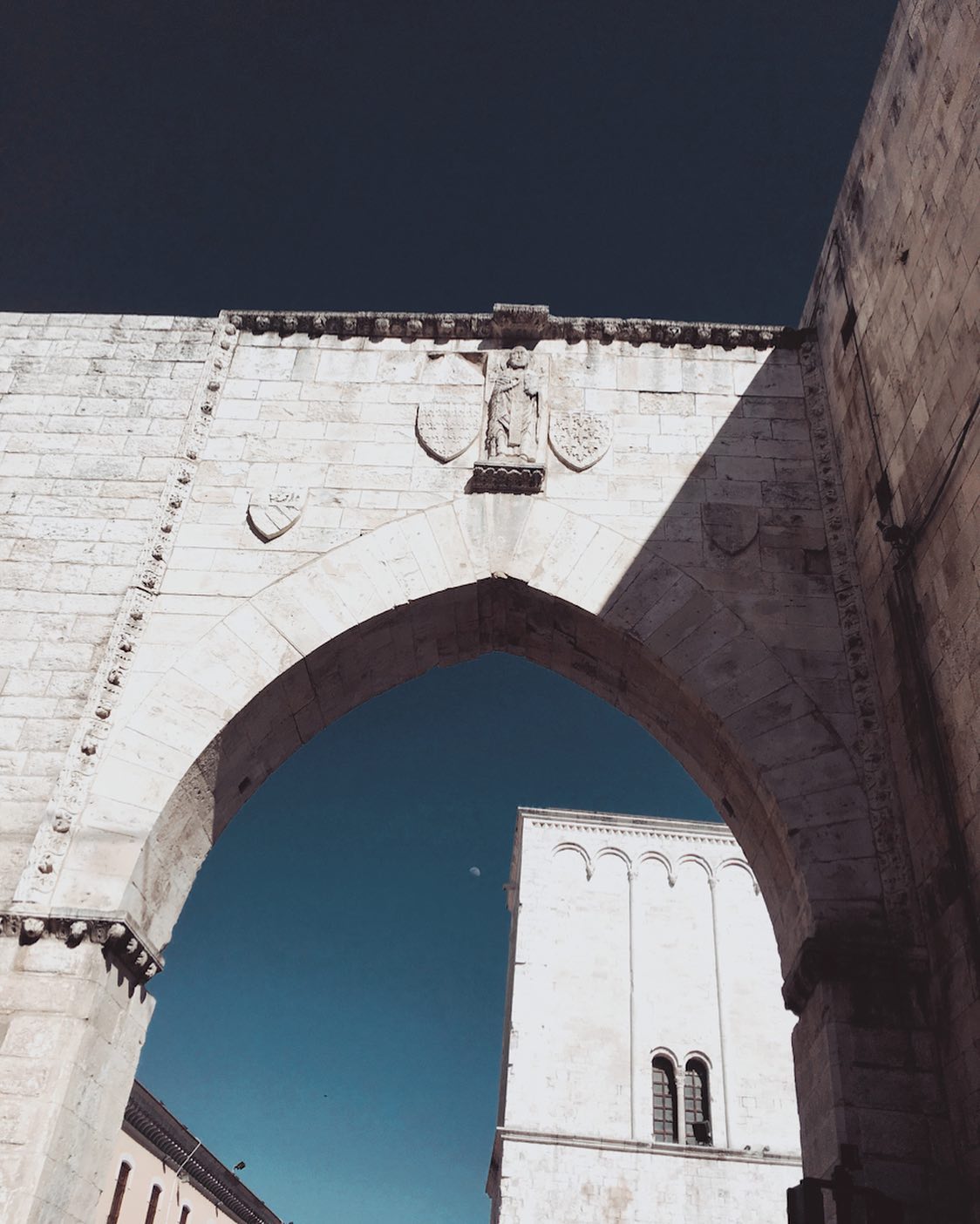
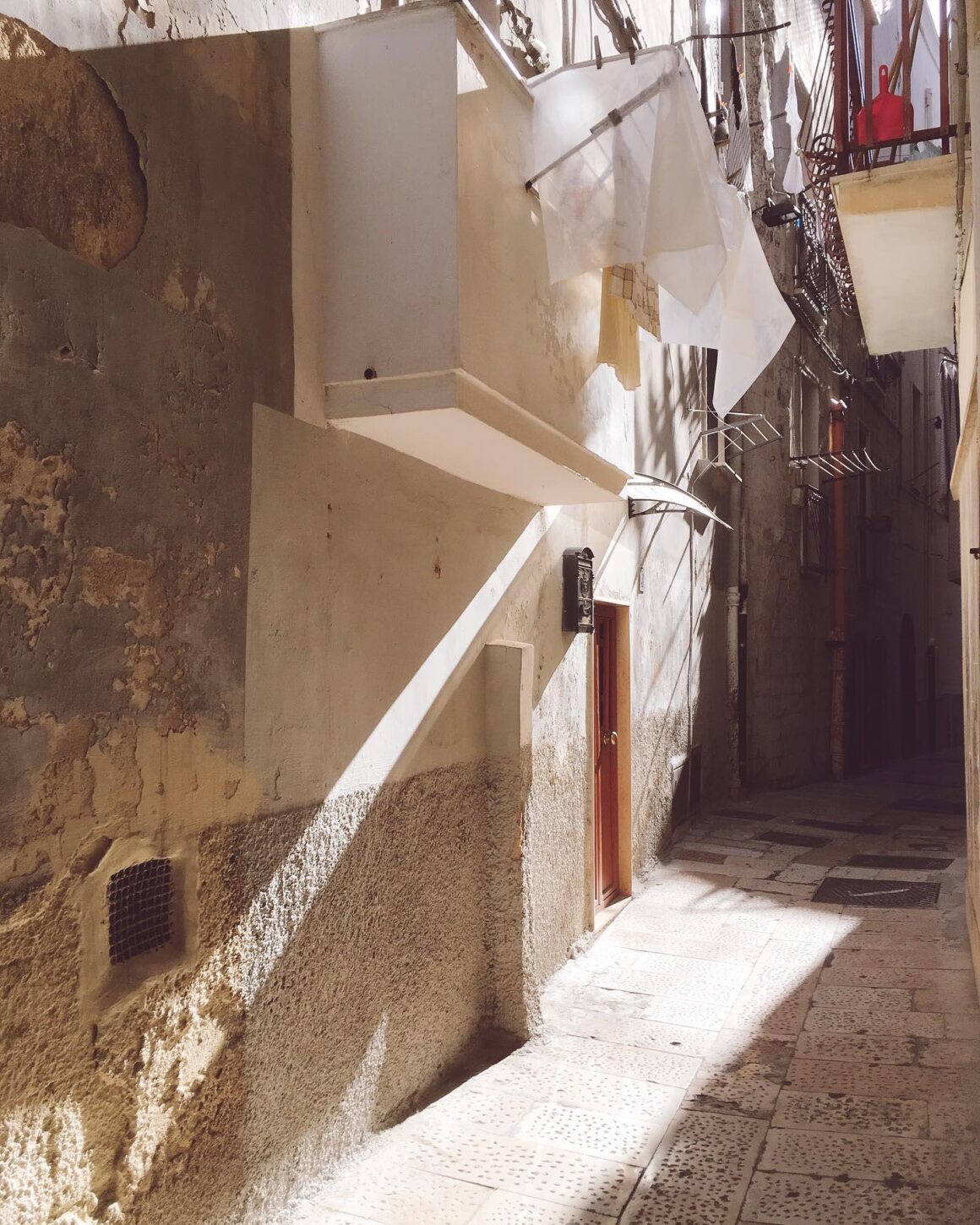
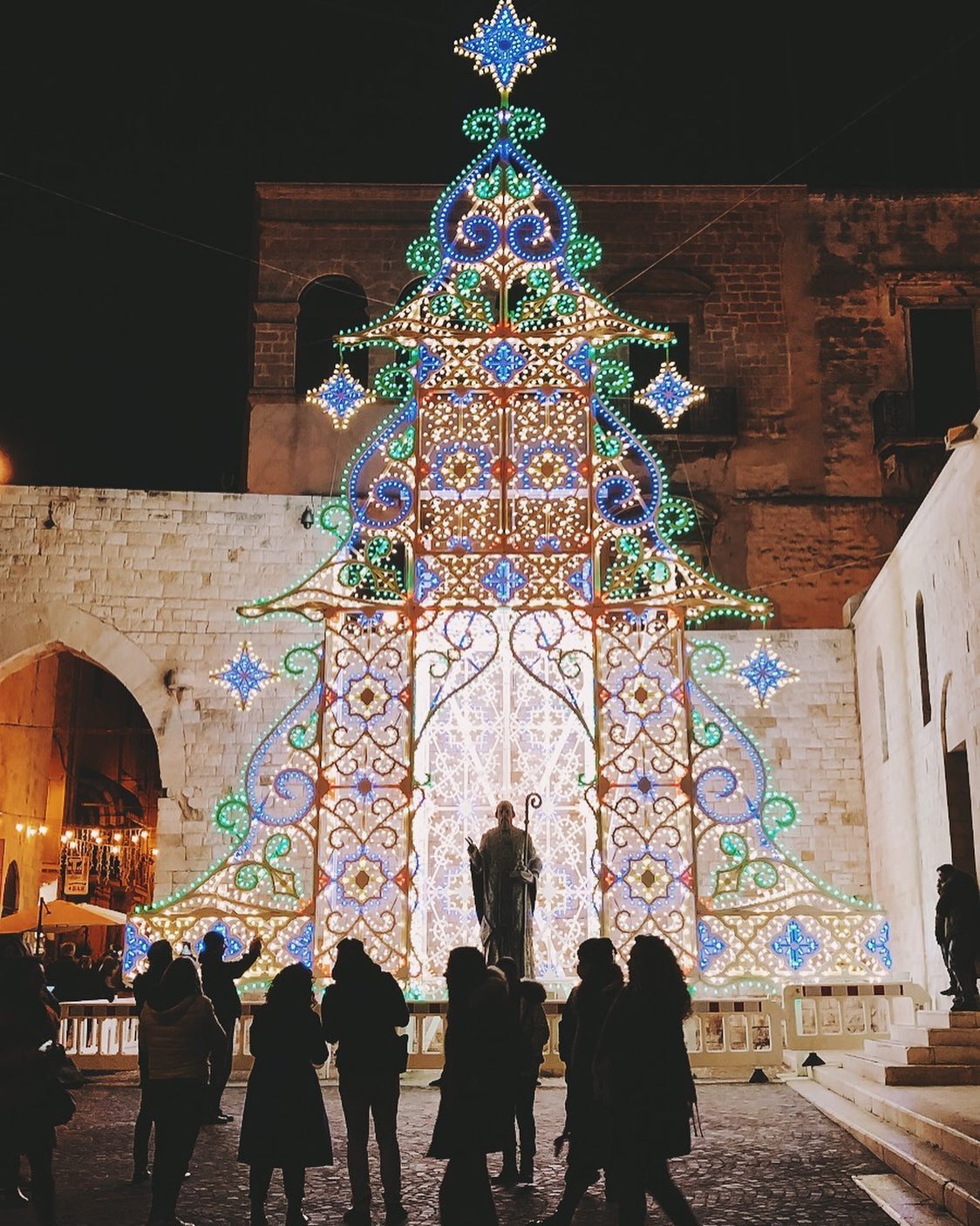
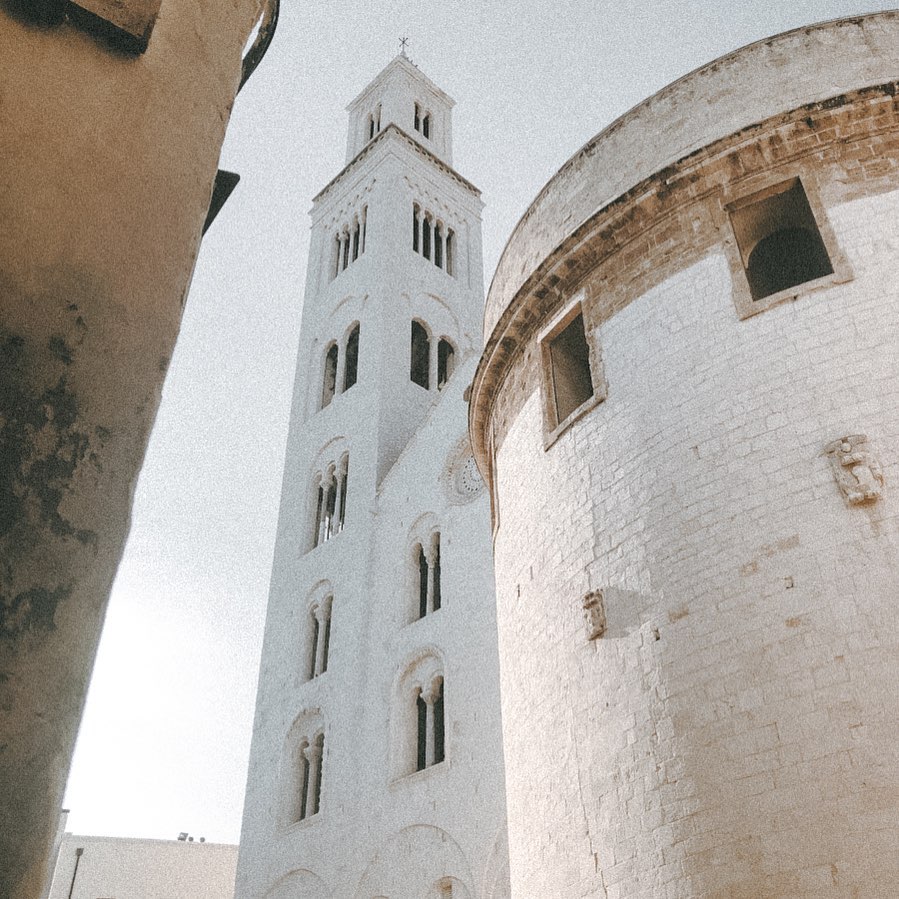
The old town, also known as Bari Vecchia quickly became one of our favorite places to explore. At first, its streets and walls feel fortress-like, but as you wander through narrow alleys, peek behind open doorways, and slip into hidden courtyards, the everyday life of the neighborhood unfolds against layers of history.
The Roman town of Barium was established here in the 3rd century BCE, and even earlier settlements have been found in the area. Today, the street layout still traces these ancient foundations, later shaped by Byzantine, Norman, and medieval development.
Just down the street from where we lived was the neighborhood of Murat. With its open boulevards, it offered a contrast to the tight spaces of the old town. It reminded me of Paris or Prague with its grand facades, elegant cafés, and striking examples of Italian Art Nouveau architecture. This is where we would come to have our all-you-can-eat sushi night at Xuan. If weather allowed, we sat out on the terrace, which has a lovely view out onto the Lungomare e Murat and the blue Adriatic Sea behind it.
On weekends, we would go further south to explore the surrounding towns, but looking back, our favorite adventures were our trips to the local supermarkets. Being avid foodies, we would wander the aisles, noticing what had changed, and bring home new things to try. As the seasons shifted, so did what was available, which meant there was always something new to discover.
From the Italians, we learned two important things when it comes to food: pay attention to what was in season and cook simply to let fresh ingredients speak for themselves. My favorite thing in the supermarkets when it was in season was the Cipolla di Margherita di Savoia, a sweet, delicate onion with a mild, almost fruity flavor and a crisp, juicy texture. I would pan-fry it with some olive oil and fresh tomatoes, throw in some pasta, and it was heaven.
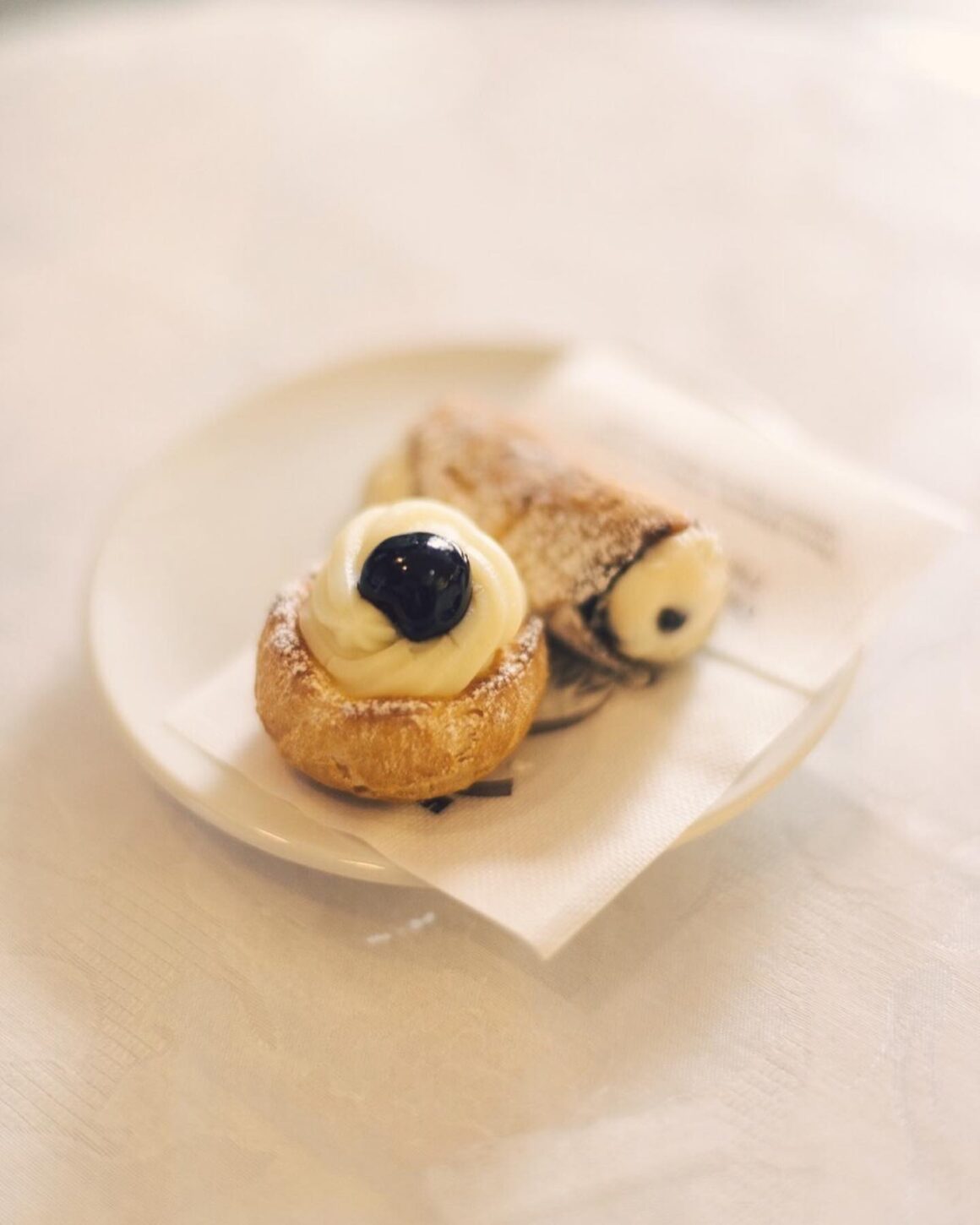
Being highly sensitive to food, I was also surprised not only by the regular assortment of food that was on offer but also by the surprising abundance of gluten-free products and plant-based milks, which I had never expected to find so readily. Even restaurants accommodated dietary needs with thoughtfulness, and gluten-free cafés like Colibrio offered desserts that were both inventive and indulgent.
And yet, all was not perfect in the south of Italy.
Living there also meant dealing with Parietaria pollen, a particularly nasty allergy for anyone sensitive to it. This plant, common on walls, fences, and in urban areas, releases pollen for much of the year—from late winter through autumn—making exposure nearly constant. Its pollen is highly allergenic, lightweight, and spreads easily, so even small amounts can trigger strong reactions. At first, I didn’t notice it, but about two years into our stay, it became unbearable and ultimately one of the deciding factors in why we left.
Still, these difficulties did not overshadow the richness of the experience. Living in the south of Italy changed the way we think about food, about place, and about connection. We look forward to going back to continue our adventures.
x Martina