
On Holding Space For What Is Not Me
Reflections on the Autumn Equinox 2025
Fall marks the beginning of a new year for me—a time to pause, reflect, and set new intentions.
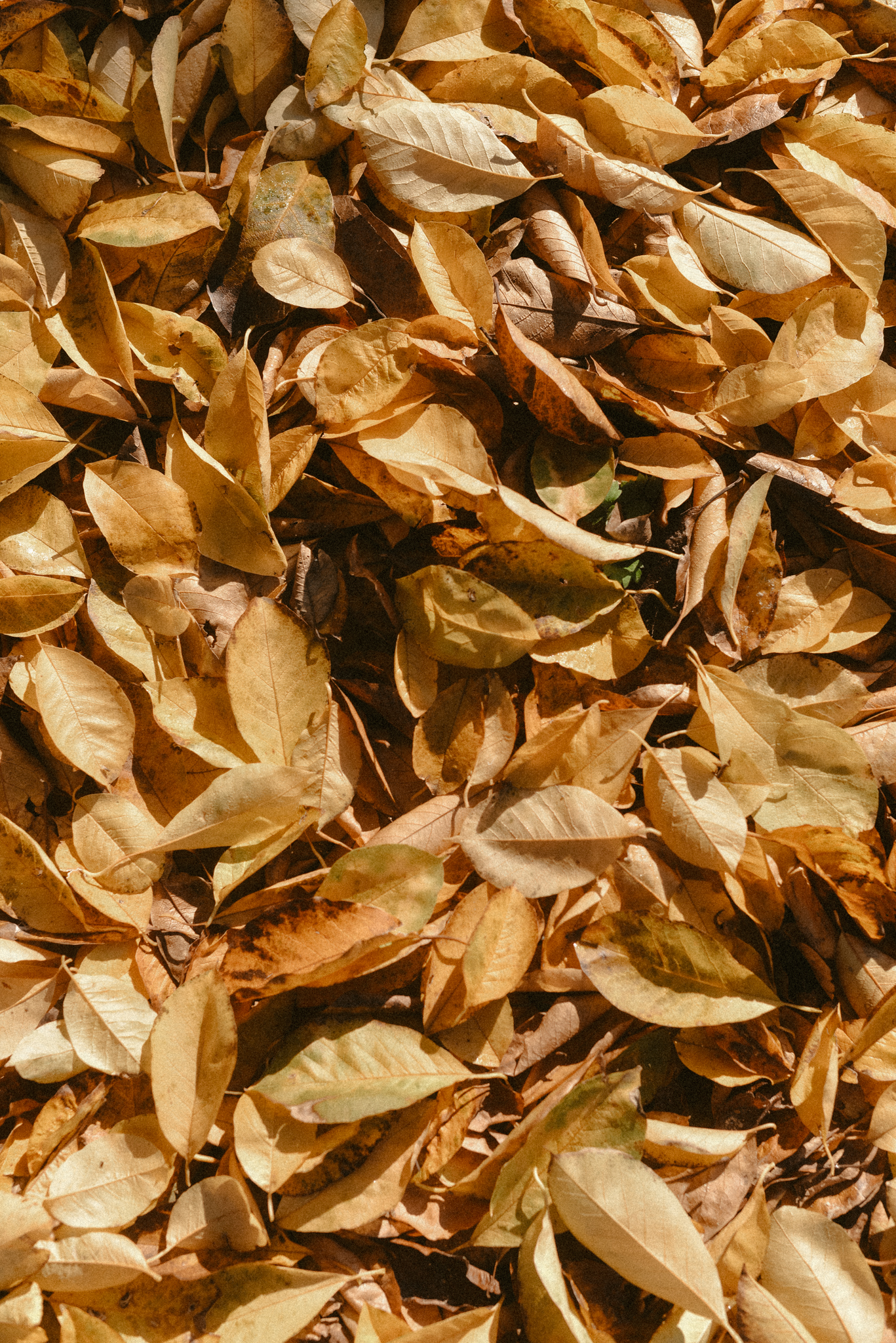
It feels more natural for me to begin my new year in the Fall then in the Winter because beginnings for me begin with letting go and when I see the trees shedding their leaves I know if it is time for me to also let go of what is no longer serving me. I then set my intentions and allow this to shape my inner work for the year.
Last years’ work was finding the language to articulate my personal practice. This year, I want to use that framework as a foundation for my creative work – both my writing and photography.
This feels especially important now, as a counterbalance to the disquiet and anger I feel about the state of the world. Wars in Gaza, Sudan, and Ukraine, the weaponizing of migration, and the deepening dominance of superficial values. My heart aches at the repercussions and the suffering. I watch as truth and depth are hollowed out by what is easy, expedient, profitable, by leaders who are unhinged from reality and blinded by ego. This is not the world I signed up for.
In my restlessness and depression, I’ve been turning to my stacks of books, searching for something to save me or at least anchor my thoughts away from what makes me feel helpless.
That is how I came across the work of Byung-Chul Han, whose philosophical reflections on the erosion of the Other resonate deeply with what I see wrong with the world and our cultural values today.
Han argues that contemporary life is shaped by a culture of positivity: affirmation, sameness, endless availability, performance, and consumption.
In such a world, the encounter with the Other—the unfamiliar, the mysterious, the transformative—erodes. Social media creates echo chambers. Consumption offers endless choices, but only within the logic of the market. Technology makes everything instantly available, stripping away distance and mystery. What is left is a smooth, consumable sameness beneath the surface of which many people are depressed and unhappy.
According to Han, genuine desire only flourishes when there is distance and difference. It is not nourished by abundance, ease, or instant gratification, but by tension, delay, and the unknown. This is important because without distance, desire collapses into boredom and life itself becomes flat.
The gap between ourselves and what we long for is not an obstacle but the very condition necessary for meaning. It is within this space of waiting and uncertainty that imagination, depth, and transformation arise. When everything is made immediately accessible, the Other disappears into sameness, and with it the possibility of real encounter. Desire’s vitality depends on what resists us, what remains mysterious, and what cannot be consumed at once.
Genuine desire fulfilled deepens us. When fulfilled poorly, it disappears into the void of sameness. However, fulfillment isn’t the end goal of genuine desire. Genuine desire for Han isn’t about possession—it’s about remaining in relation to otherness. We know when a genuine desire has been fulfilled because there is a profound encounter—an experience of depth, intimacy, or meaning that changes us. This is where fulfillment is not just consumption, but revelation.
In our current culture of positivity and availability, that distance is being erased, and when everything is made immediate, consumable, and familiar, desire weakens into boredom, depression, and compulsive consumption — trying to fill a gap that never gets filled.
Therefore, true meaning requires a gap — something that interrupts us, challenges us, or resists us. That could be another person in their radical difference, the wildness of nature, or art that doesn’t yield to easy interpretation. Without this encounter with the “Other,” we end up having only surface-level experiences and life collapses into narcissistic self-reference, where we see only our own reflection.
In this sense, the Other is essential for freedom, love, and real experience.
As an antidote, Han calls for a return to negativity—not in the sense of despair, but as space for silence, distance, contemplation, mystery, and genuine encounter. This means choosing rituals and slowness over efficiency, true conversation over endless self-exposure, and art that opens us to mystery rather than confirming what we already know.
There is no doubt that the violence, injustice, and superficiality of our time often produce despair or numbness. Han’s philosophical framework suggests that what feels unbearable—our sense of distance from justice, peace, or a better future—can also be a source of vitality. Desire for a different world keeps us engaged. The gap between what is and what could be becomes the ground for meaning and transformation.
When I reflect on my own personal practice, I realise that it is the way I maintain my relationship with the Other. There has always been this part of me that I’ve never fully understood – this need in me to seek contrast, distance, dig into the unknown in order to know myself. Now I understand what that part of me is – a counterbalance.
x Martina