On Learning to Photograph
When I lived in Prague, one of my favorite things to do was wander through Olšany Cemetery. I would get up early on my days off, grab a coffee and croissant at Paul’s in Flora, and make my way through the cemetery gates.
In the mornings, I was mostly alone except for the police officer who patrolled the grounds and the mothers strolling along the wider cemetery boulevards with their carriages and children in tow.
Walking here felt peaceful. It felt more like a park than a cemetery, and its monumental tombs alongside Neo-Gothic, Art Nouveau, and Cubist headstones were simply beautiful.
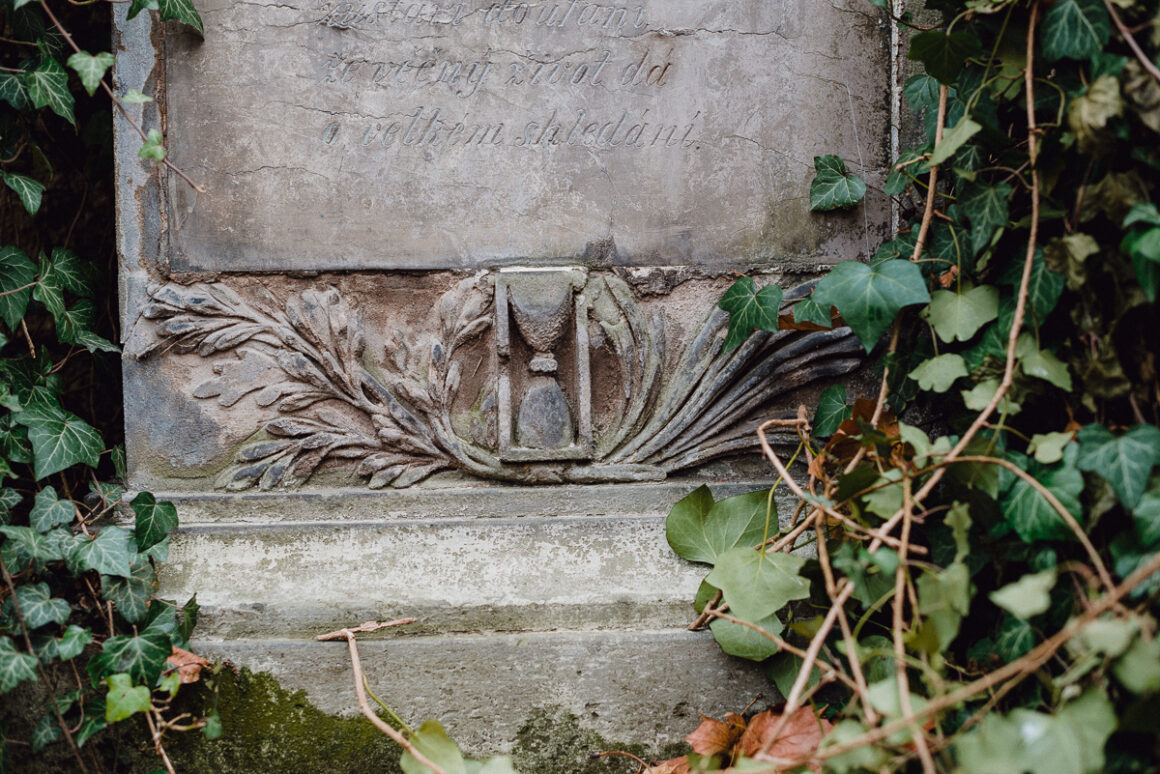
Olšany Cemetery was first established in 1680 during a severe outbreak of the bubonic plague, when burials were moved beyond Prague’s city walls to prevent the spread of disease. In 1787, public health reforms by Emperor Joseph II prohibited burials within Prague’s city limits, and Olšany was expanded to serve as the capital’s principal burial ground.
After the reforms of Emperor Joseph II, the center of Olšany became ordered and monumental, but the marginal sections changed little, and nature slowly took over. These were the areas I tended to gravitate toward.
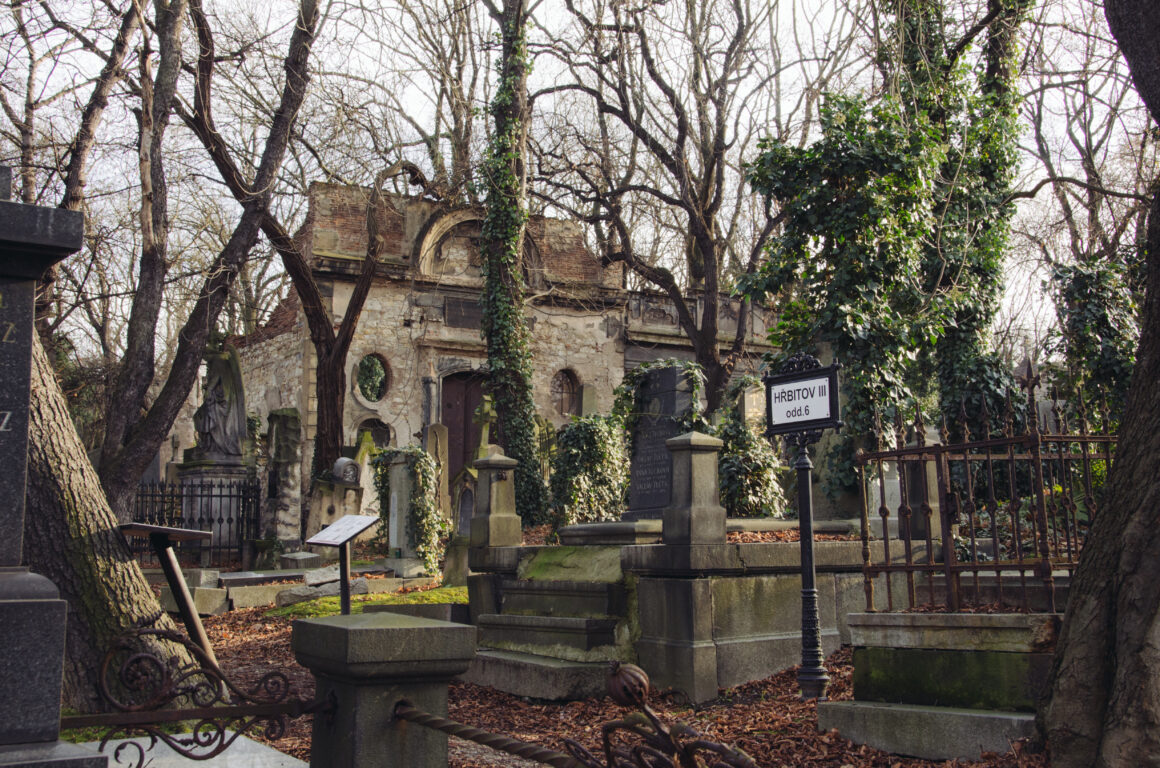
The part I loved most was what felt like the cemetery’s oldest ground—the northeastern and western edges, where the layout was less deliberate, the paths dissolved into undergrowth, and you had to watch your step because the holes in the ground ran deep.
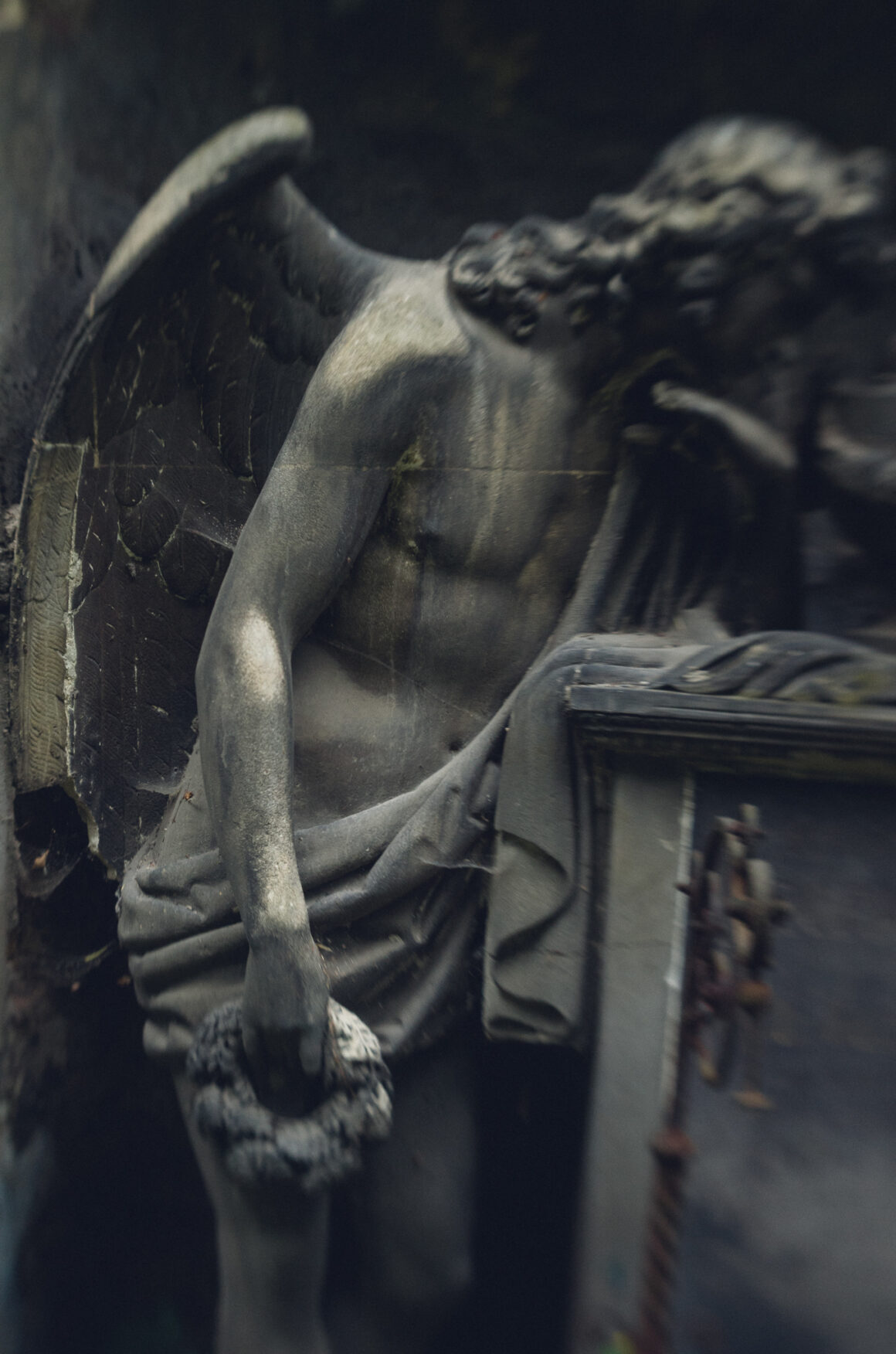
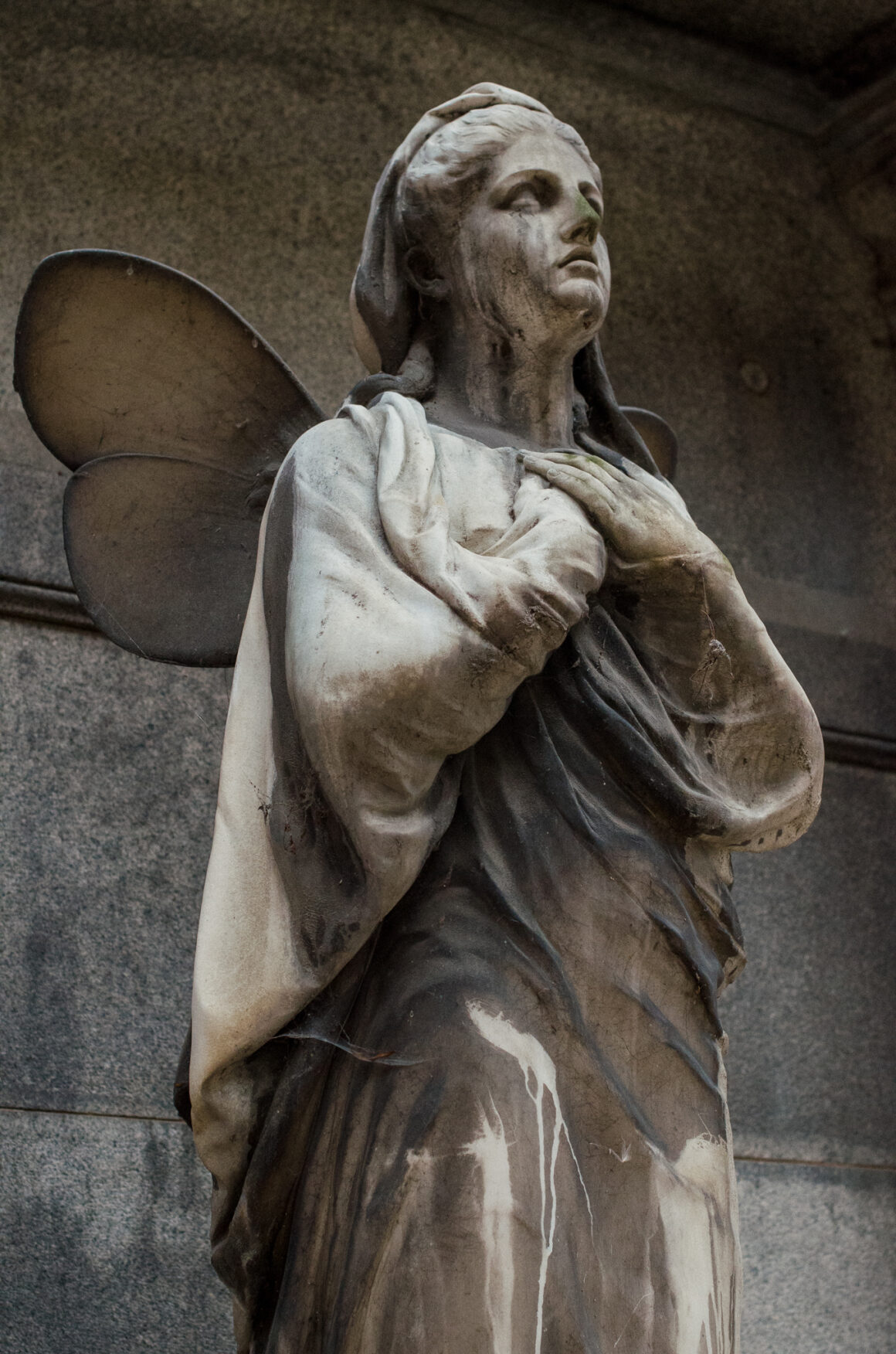
This part of Olšany felt like a liminal threshold. Overhead, the twisted branches of old trees wove themselves into high arches above abandoned tombs and stones swallowed by ivy and ferns. Underfoot, roots pressed upward through the earth, tightening around graves and iron fences, slowly shifting them out of place and upward. The stone angels, worn by time and weather, had lost their angularity; their softened features made them seem almost human.
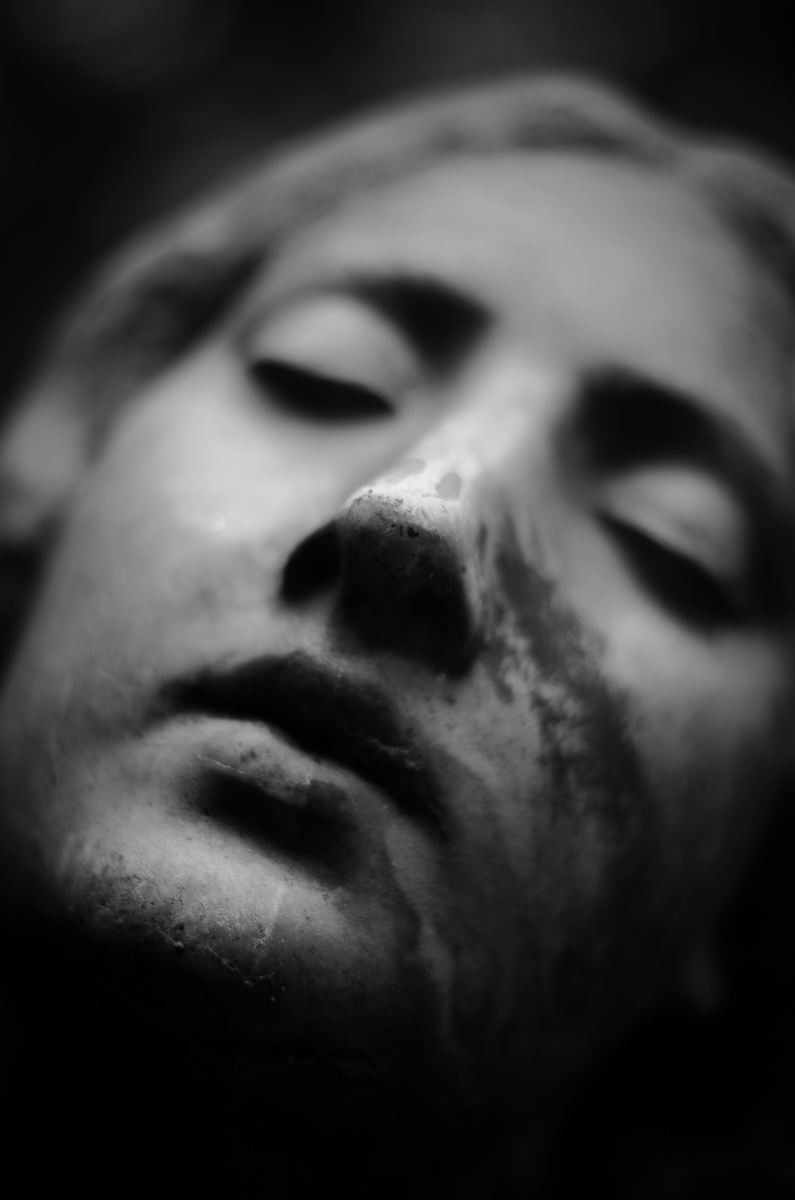
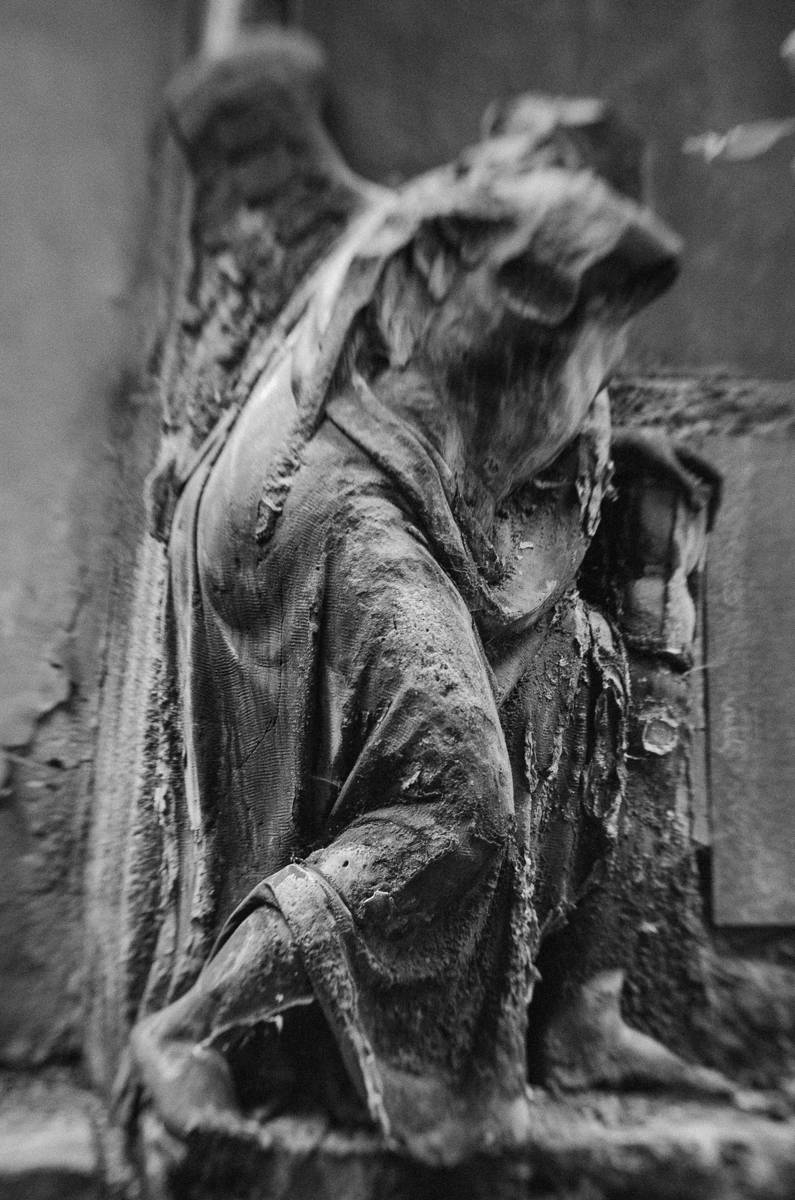
Each time I came here, something in me shifted. I became more meditative and reflective. The noise of the outside world would fall away, and I would become more attuned to myself.
I then began to try to capture this experience on camera. I moved away from randomly taking photographs to being more intentional. I would place the camera in front of my eyes and try to capture the beauty I saw using different ISOs, f-stops, and lenses. I experimented. I allowed myself to get lost in the moment and practice seeing.
As the seasons shifted, the mood in the cemetery also changed. The rain and fog of autumn added a layer of mystery to the paths, while in winter, when everything was covered in frost and snow, it would sparkle. Perhaps my favorite season was early spring, because of the crows.
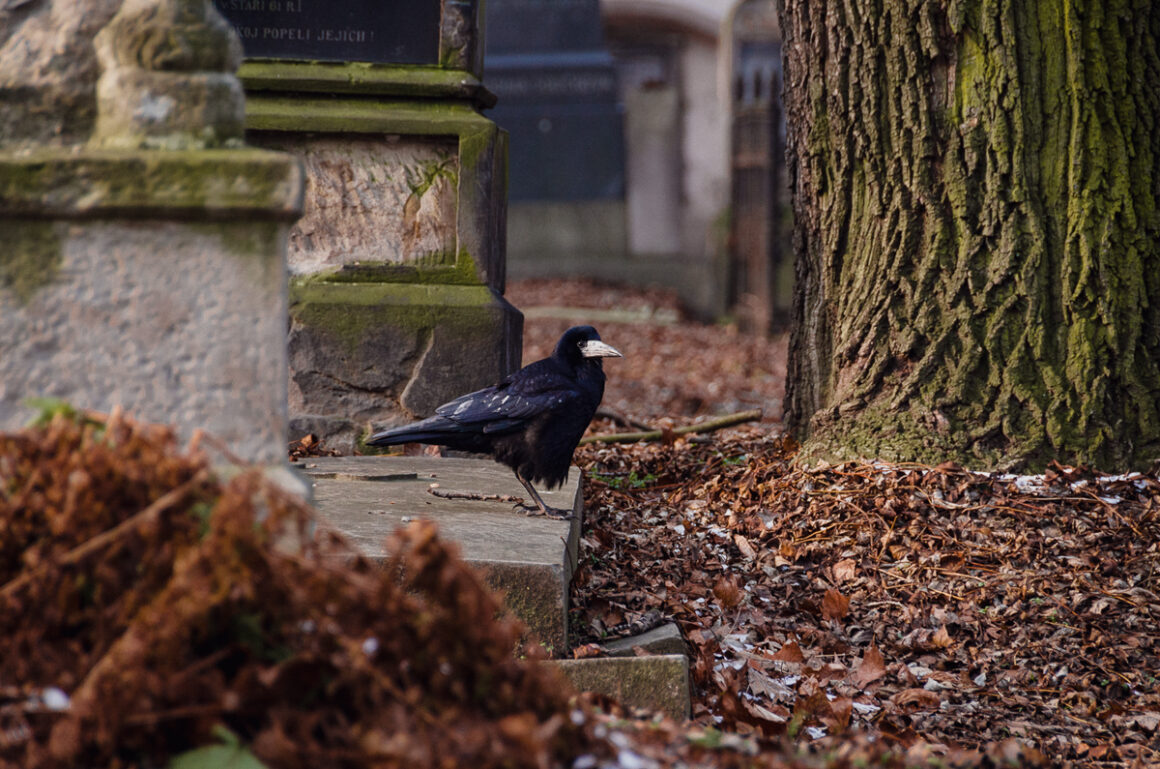
By the end of February, the cemetery teemed with crows, swirling and spiraling above the graves in restless flocks, foraging for food and staking their territories for the coming nesting season. I had never seen anything like it before, and the experience left an indelible mark on me. I would bring food not only for them but also for the stray cats that made their home here.
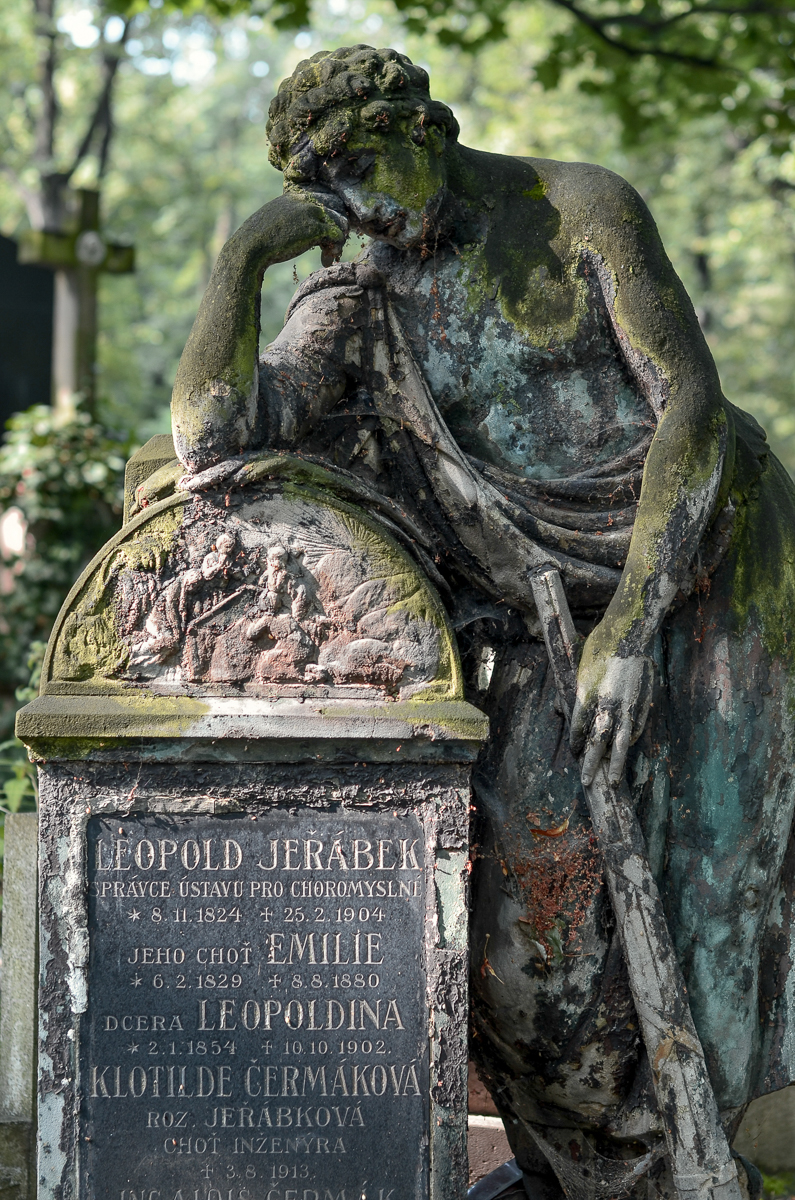
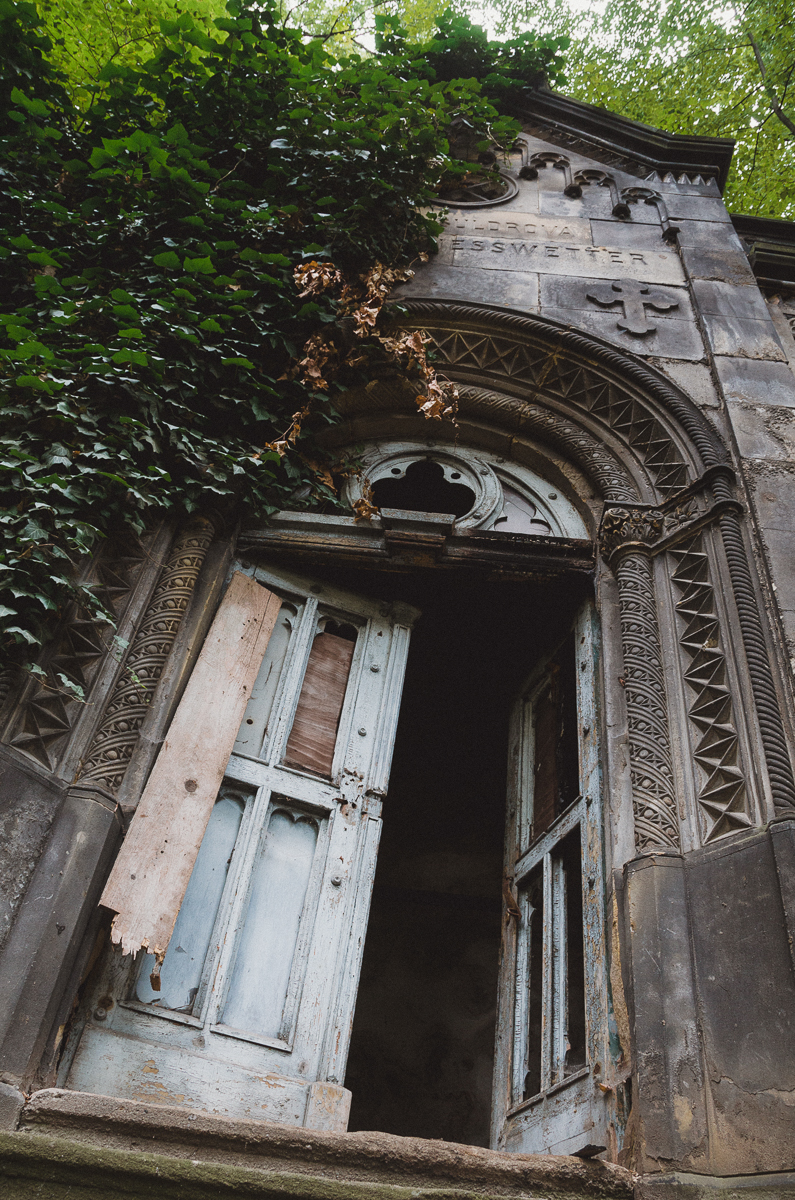
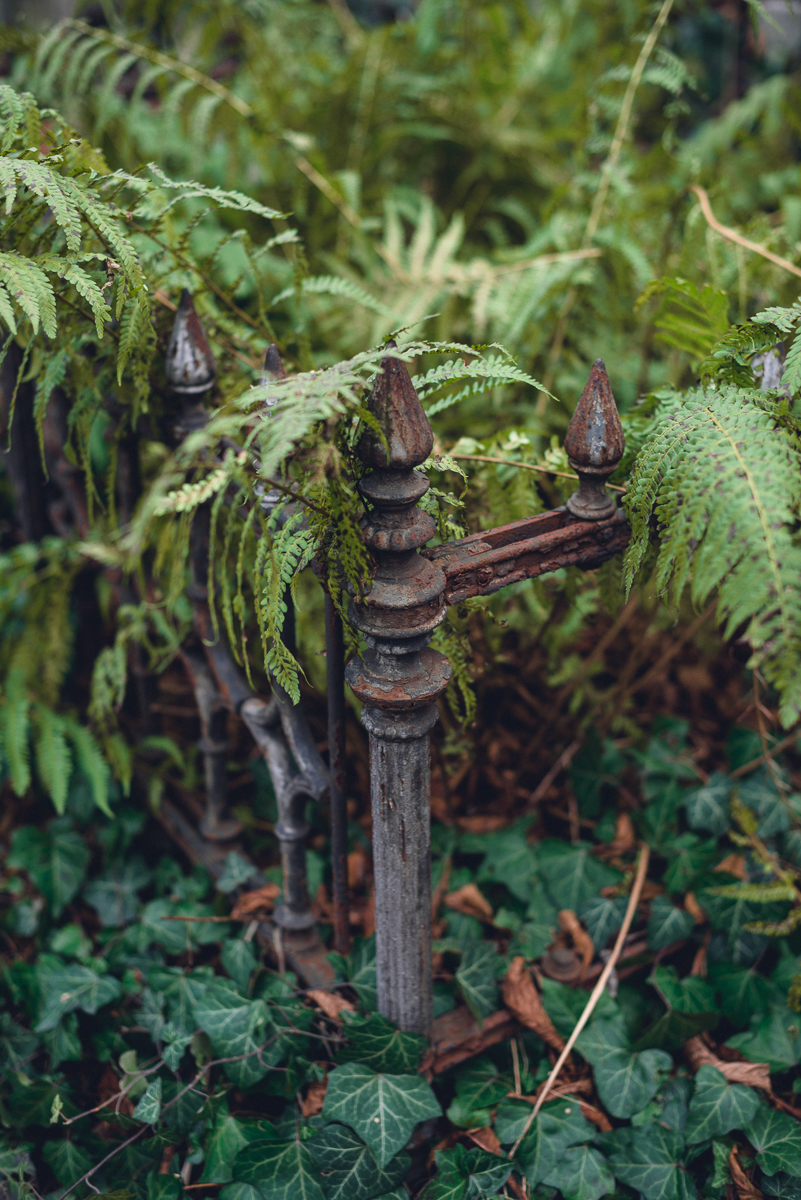
When I began photographing with intention, my relationship with the medium changed profoundly. I stopped seeing things as mere objects and instead tried to truly perceive them. This shift made me notice subtle patterns, textures, and the constantly shifting play of light. With my camera in hand, I entered a state of heightened presence: my attention focused, my internal chatter quieted, and the world around me seemed to pulse with vividness. Photography became more than a tool—it became a way to cultivate a contemplative, meditative state in which I was quiet, attentive, and fully engaged with the moment at hand.
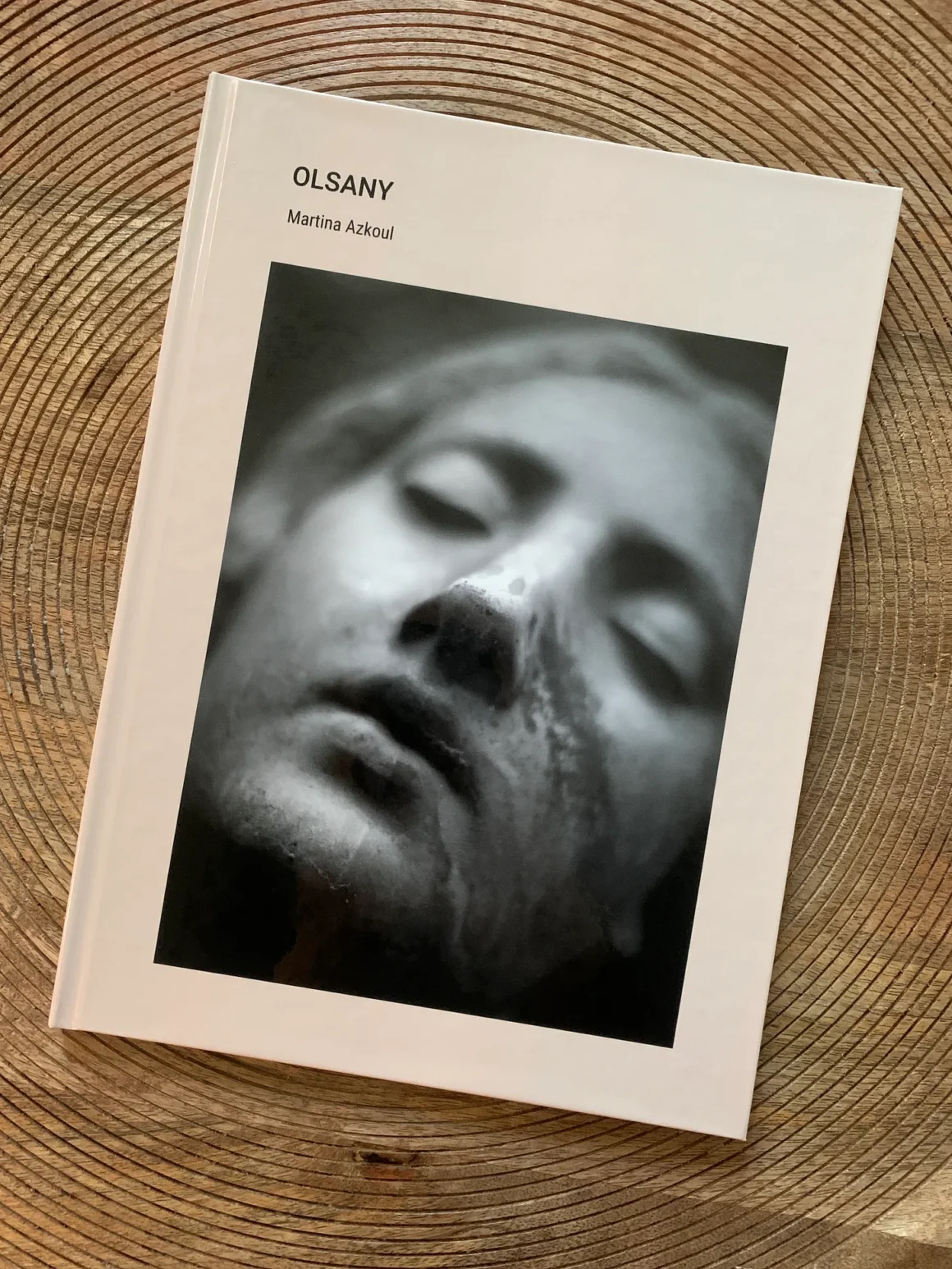
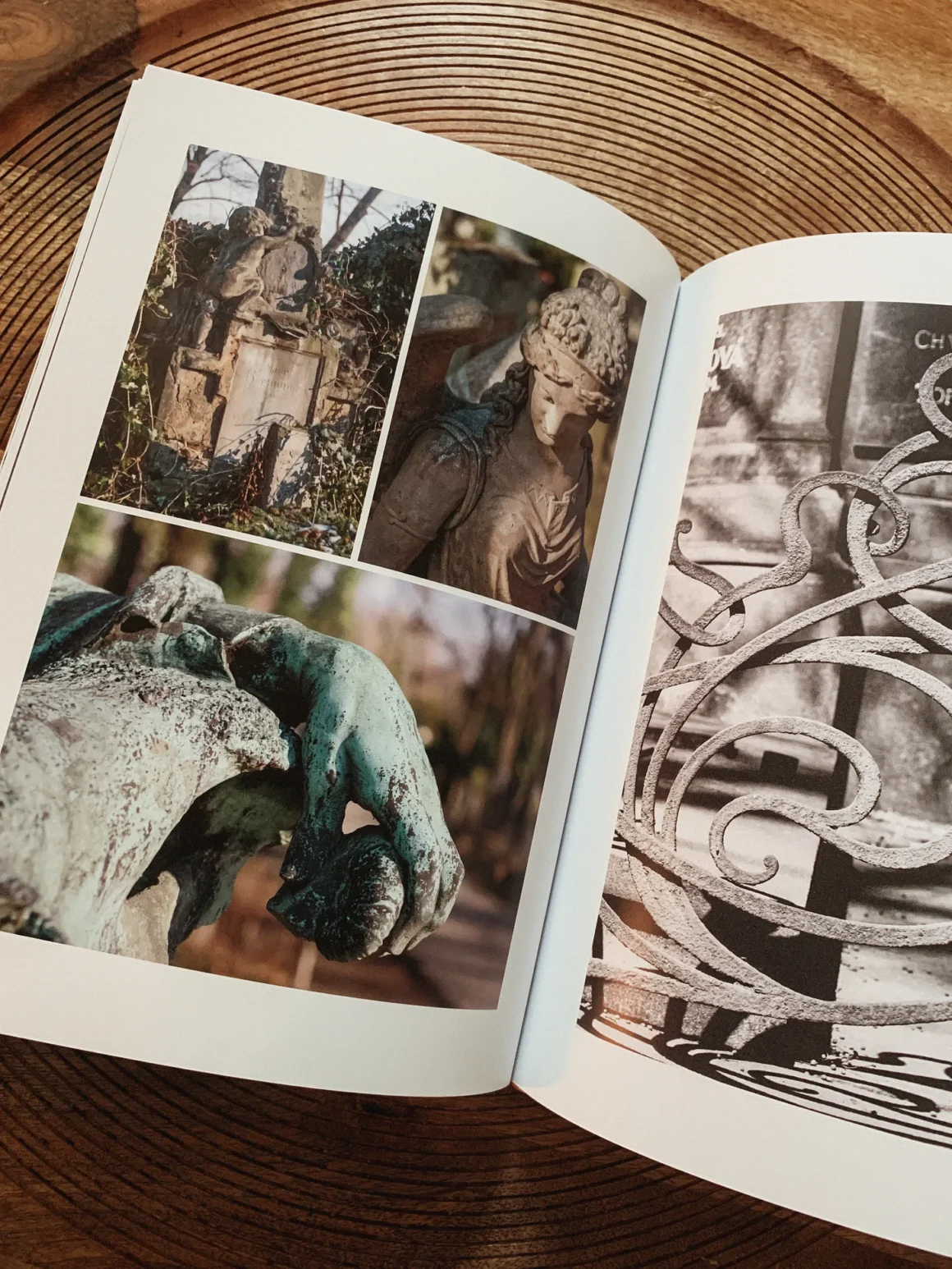
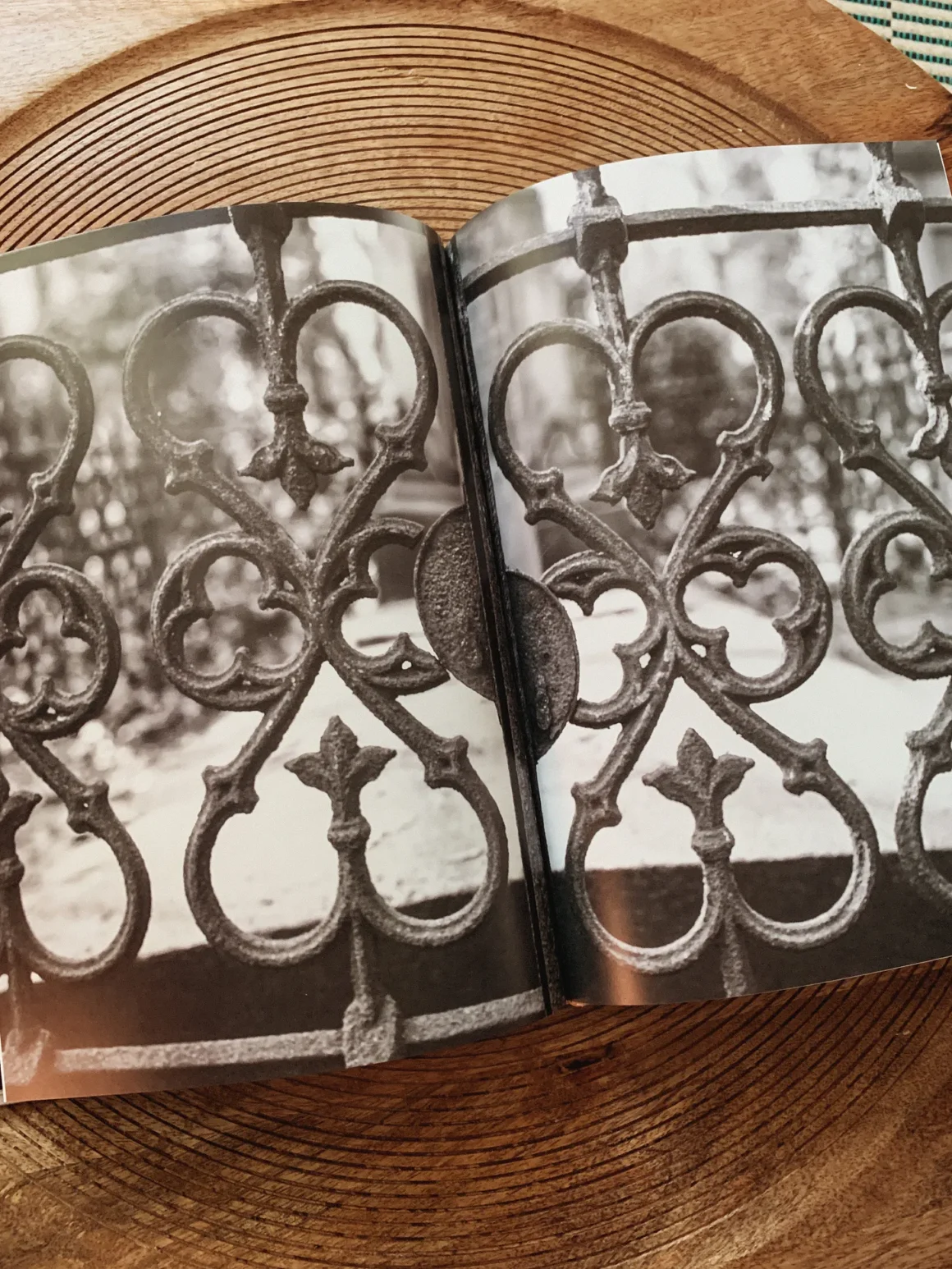
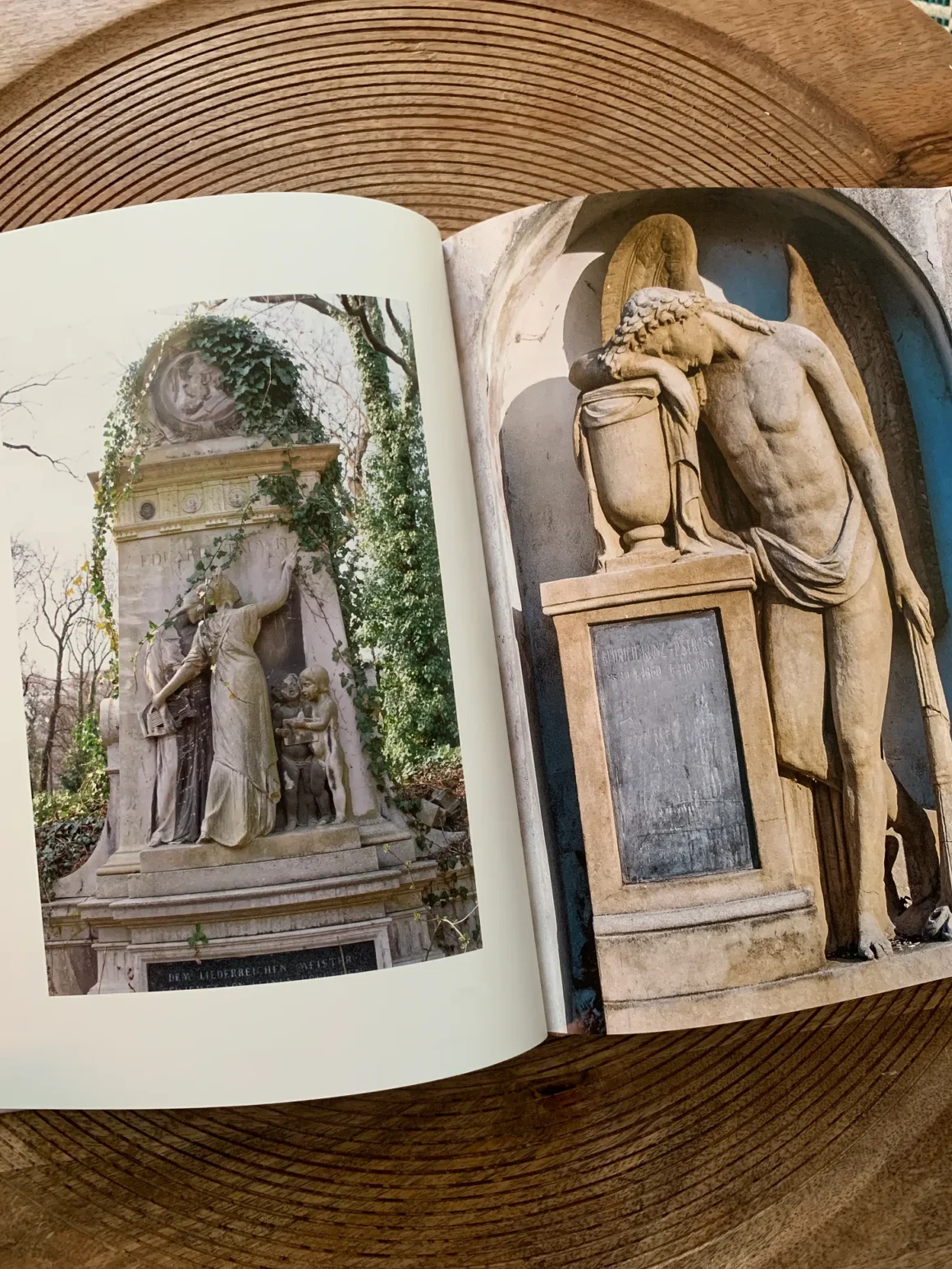
When I left Prague, I carried with me hundreds of images of the cemetery. In 2025, I decided to bring these photographs out of my archive and into a photo book, creating a visual narrative that reflected not just what I saw, but how I experienced the place. Until then, I had photographed mostly what moved me, without thinking about storytelling. Seeing the book come together showed me the power of shaping those moments intentionally, offering others a perspective they might not have noticed before.
x Martina